Will AI Replace PR Professionals?
Two weeks ago, I received two interesting responses from my outreach emails. One from a comms manager: "I don't need AI to do my job."
Another one from a PR professional: "We do not support AI on any level. We value the work created by humans."
As a human myself, the pushback in their words struck a nerve. I began to wonder: Is AI truly a threat to PR? Is it genuinely crushing the craft? Is it here to replace us and our hard-earned skills?
Before forming an opinion about the future, I went looking into the past. Every communication tool that ever scared this industry has left the same fingerprint. In this article, I want us to collectively explore what is truly going on here.
The Fascinating Story of the Telegraph
PR didn't exist as a profession in the 1850s. But its closest relative, the newsroom, did. And the newsroom panicked because of the telegraph.
Telegraph was a device transmitting coded messages over long distances using electrical signals. But there was a lot of criticism around this new tech.
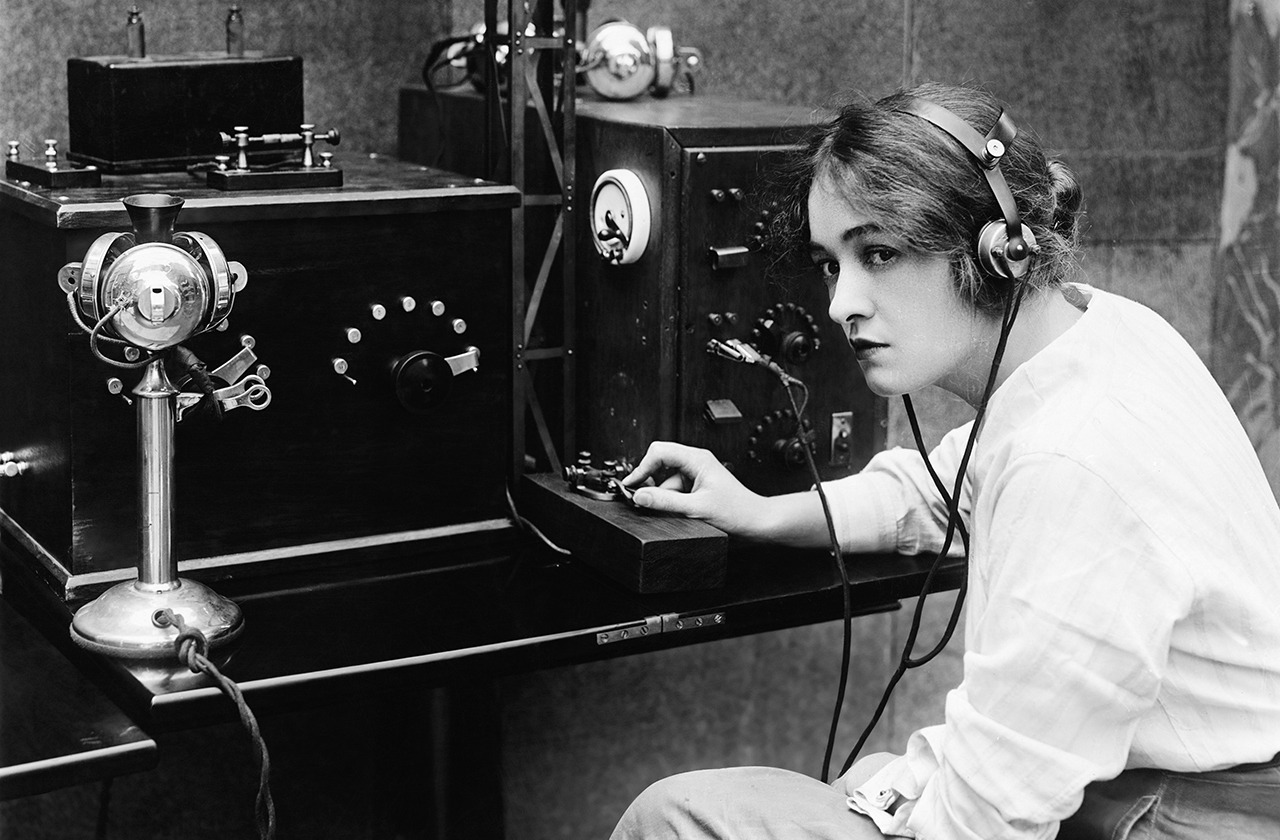
On August 19, 1858, three days after the first cable connecting America and Europe, The New York Times wrote that telegraphic news must be “superficial, sudden, unsifted, too fast for the truth.”
They worried it would weaken the craft of journalism.
But history took the other side.
The telegraph did not replace the journalists. It removed the delay, helped newspapers work faster, and never replaced the people in charge.
If anything, it propelled everyone to think big.
The device allowed newspapers, governments, and businesses to send information much faster than traditional mail. Eventually, telegraph cables connected continents, laying the groundwork for the modern communications systems we rely on today.
I find this fascinating because the future, in most cases, is always uncertain.
One more takeaway from this story: I truly believe the source of the fear was not external — it wasn’t caused by the device. It was always internal — caused and created by us humans.
This same fear was visible when fax gave way to email, and many feared relationships with journalists would become transactional. Then social media arrived, and critics warned it would destroy the value of earned coverage. But none of this replaced PR professionals.
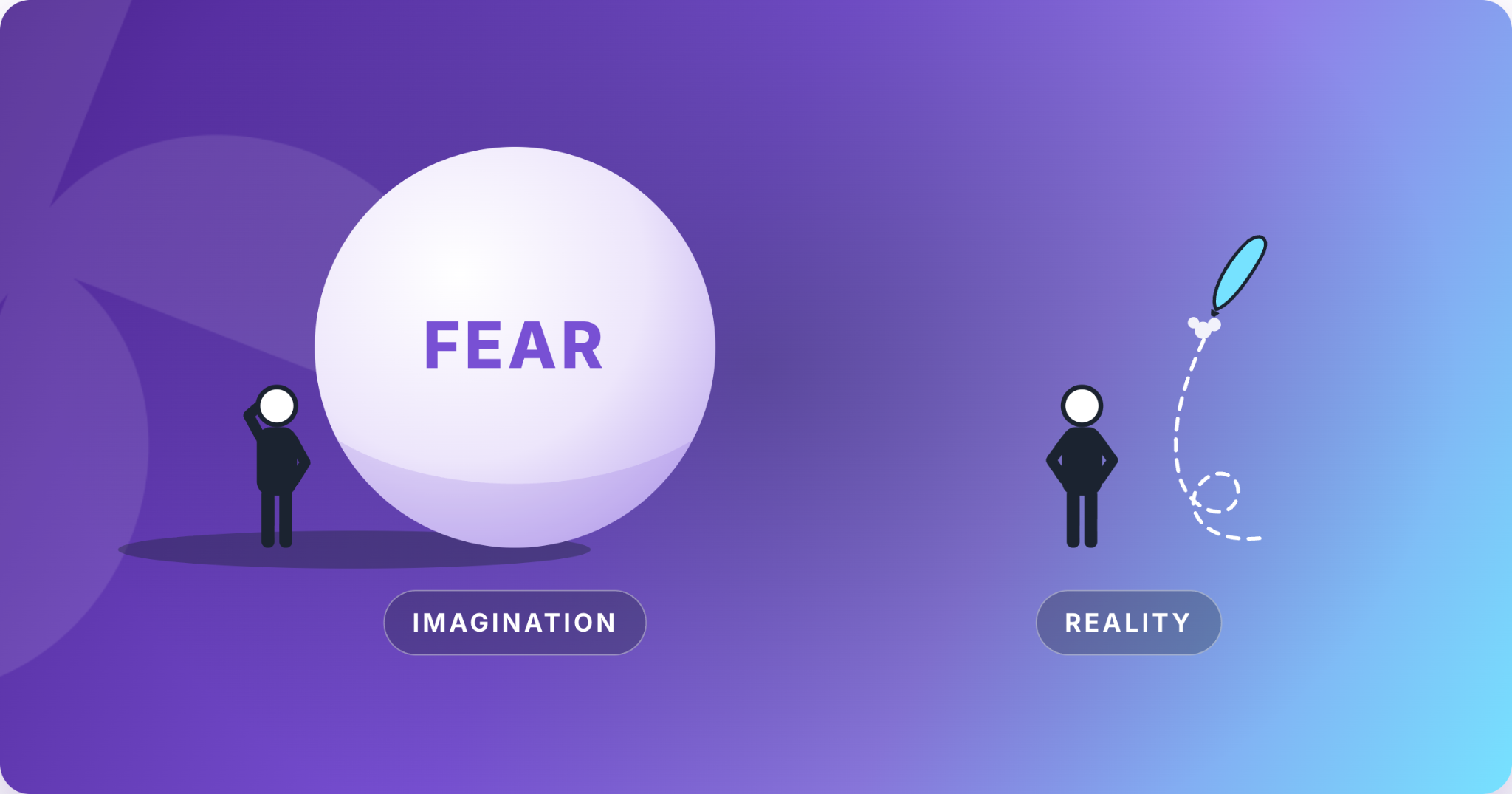
The tool arrives, the industry fears it, and the industry splits into two groups: those who resist and those who learn to use it. This reminds me of the truth Seneca once shared: We suffer more from imagination than from reality.
The Truth: PR Is Carrying Its Own Weight
I continue to hear how PR is carrying its own weight.
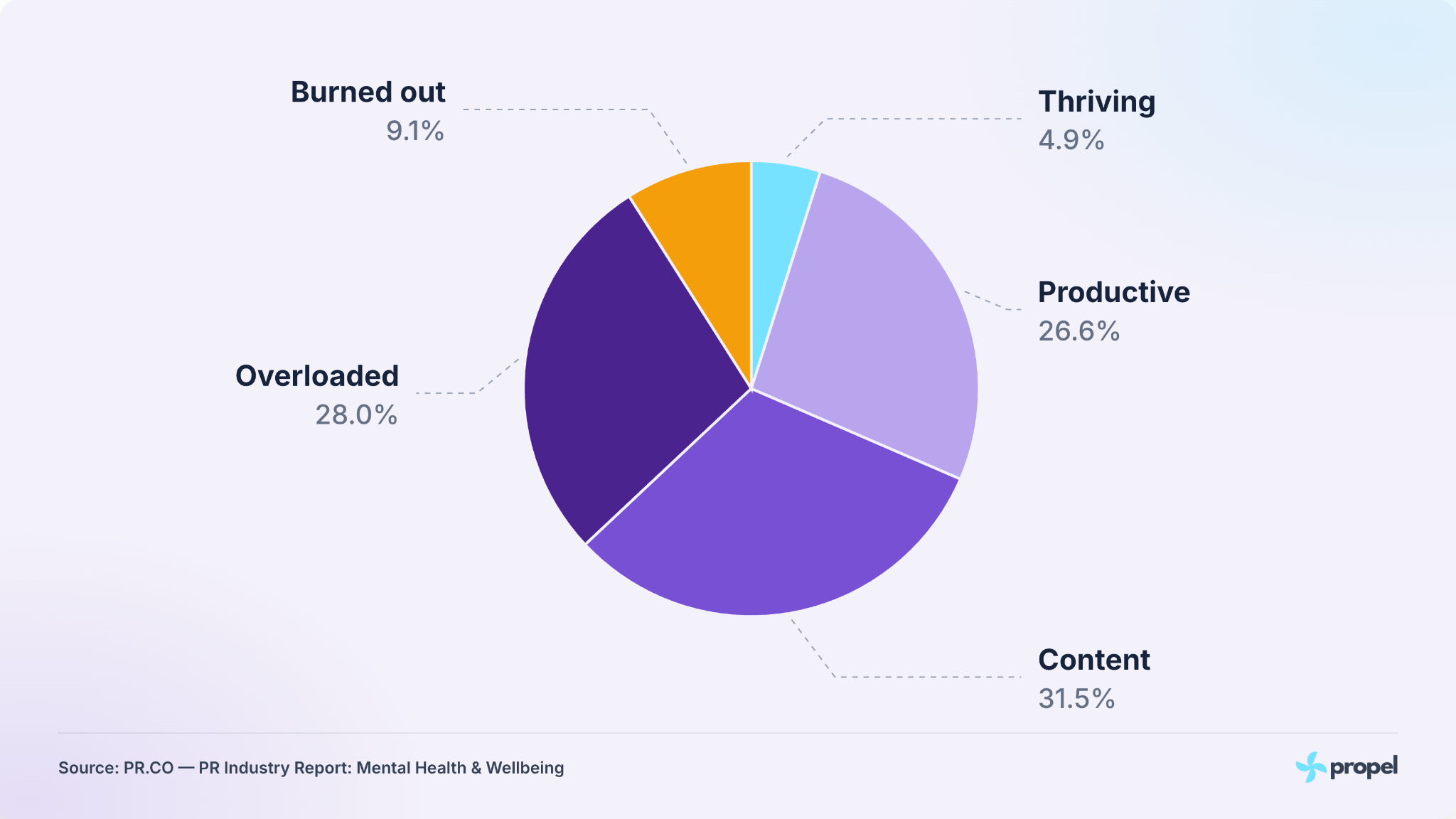
From PR.CO’s survey, a large share of PR and comms professionals reported serious stress and burnout pressure in their day-to-day life.
People are working harder than ever on strategy, campaigns, lists, follow-ups, and reporting that take away from the fun of PR. Nearly 37% of PR pros are operating under pressure (burned out and overloaded with work).
So when a tool arrives promising to do something different, I understand why nobody hears opportunity. If anything, that reaction from my outreach email is a good proof.
AI Stats Nobody In PR Is Talking About
If we keep the past, philosophy, and fear aside, we have some interesting data to look at.
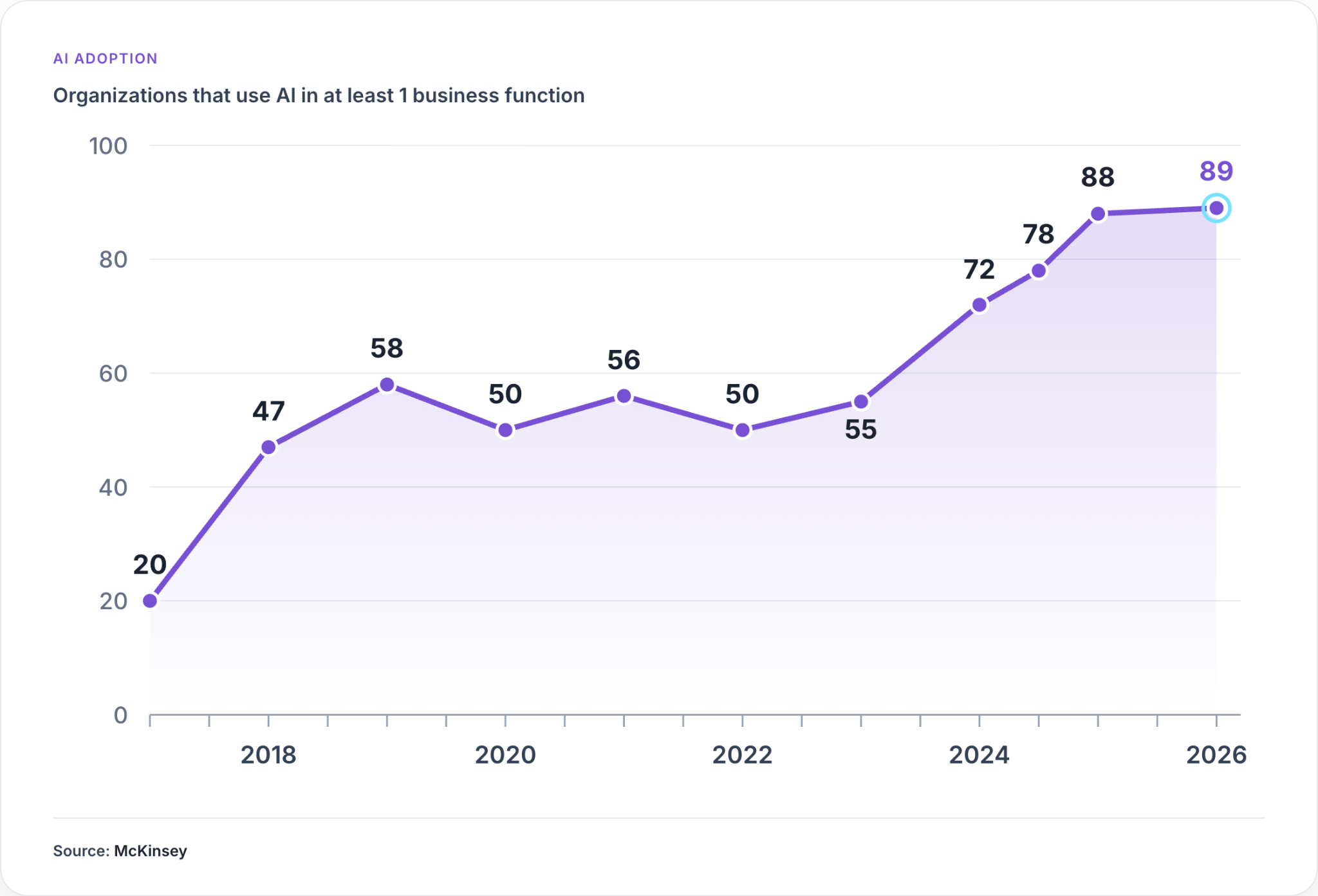
McKinsey's latest State of AI survey found that nearly 9 in 10 organizations now use AI regularly in at least one business function, up from 78% just a year before.
And the people using it are not afraid anymore. In fact, 80% of workers say AI has improved their individual productivity.
Then about half say AI helps them make better professional decisions.
Perhaps this is worth reading again: AI did not erase those workers. It cut the busywork and gave back time.
Yet nobody in PR and comms is talking about this.
From our 7 Years of Data
We continue to witness this shift within Propel AI as well.
We have trained Propel AI on more than 25 million anonymized pitches, 500,000 journalist profiles, and billions of monitored articles. These are 7 years of the actual material of this profession.
And here is what the data taught us.
AI cannot invent judgement. It can remove the grind around it. When PR teams put our AI agent to work, the same pattern shows up again and again:
- Finding journalists that took days now takes minutes. The judgement of who belongs on the list still belongs to the professional.
- Drafting pitches starts from a first version instead of a blank page. The angle, the story, the decision of whether it is worth sending at all… that stays human.
- Reporting is compiled, which means the professional finally has time to read it and act on it.
If you ask me, the imagination was always misplaced. The tools are handling repetition. Professionals must handle strategy. It is the first time the job has been split correctly. And we are the first platform built to achieve this.
Lastly, the Future of PR Is Not Human vs. AI
The future is human judgement that is enhanced by AI.
And just as the telegraph revolutionized communication, AI is reshaping our industry. After all, nobody got into PR to build a media list for days or send pitches. AI is coming for that part. It will replace the manual parts. The repetitive parts. The parts that were burning 60% of you anyway.
Pretending otherwise insults our intelligence.
The real opportunity is what happens next: when PR professionals no longer have to spend their best hours on administrative tasks, they can invest more time in strategy, narrative, stronger storytelling, meaningful media relationships, and the judgment that great communications work requires.
In short: AI will not replace us. It will work alongside us – making our work faster, sharper, broader, and more human.