PR Professionals: How to Actually Get Better at Multitasking
Here’s the truth: Nobody in PR is doing one thing at a time.
Every PR person I speak to is running at least four things at once. A pitch that needs to go out today. A journalist who just replied and will go cold if you take six hours. A client demanding a coverage report. Then there's a media list that needs rebuilding because half the contacts have moved since you last touched it.
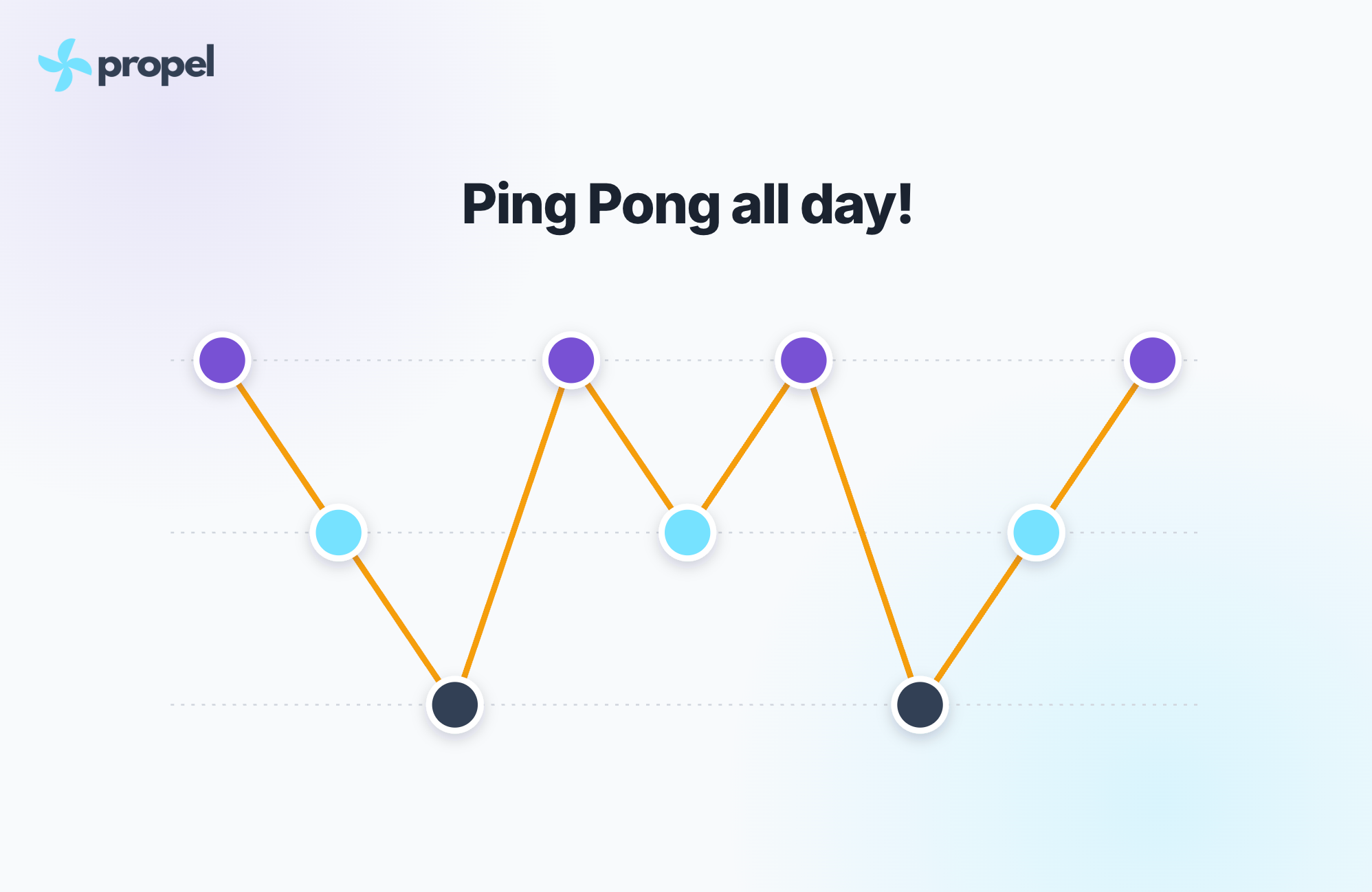
Nobody in this industry has the luxury of a single open tab. They all ping-pong every day between tasks and eventually find themselves exhausted and burned out.
My title at Propel AI is Customer Success Executive, which in practice means my day splits across three channels that have almost nothing to do with each other. I truly understand what it feels like when it comes to multitasking.
The first is support - tickets come in, and I work through them. The second is the database - I update our Journalist Moves section. The third is marketing - I look after our website, and I help get social posts out.
Three channels - three completely different headspaces. Trust me when I say this: by hour six, I am not running on willpower. So whatever system I use has to still work when I am tired.
In this article, I’ll share what years of balancing multiple priorities has taught me - what works, what doesn’t, and practical multitasking strategies every PR and comms professional can use.
What Really Is Multitasking?
There’s a common misconception here: multitasking means doing two things at once. It isn't. We’re not wired to give our full attention to two tasks simultaneously. What we call multitasking is really switching between tasks - and people who handle six things at once have simply learned to make those switches more efficiently.
To me, multitasking is about doing one thing at a time, then switching to the next. This is how you can get everything done - by focusing on one thing.
Let me explain why this matters:
I am rewatching Game of Thrones at the moment. I believe Varys and Littlefinger (or Lord Baelish) are the two best multitaskers in the show. Both of them are running ten plots at once, in a city where every one of those plots can get you killed.
But both do it differently.
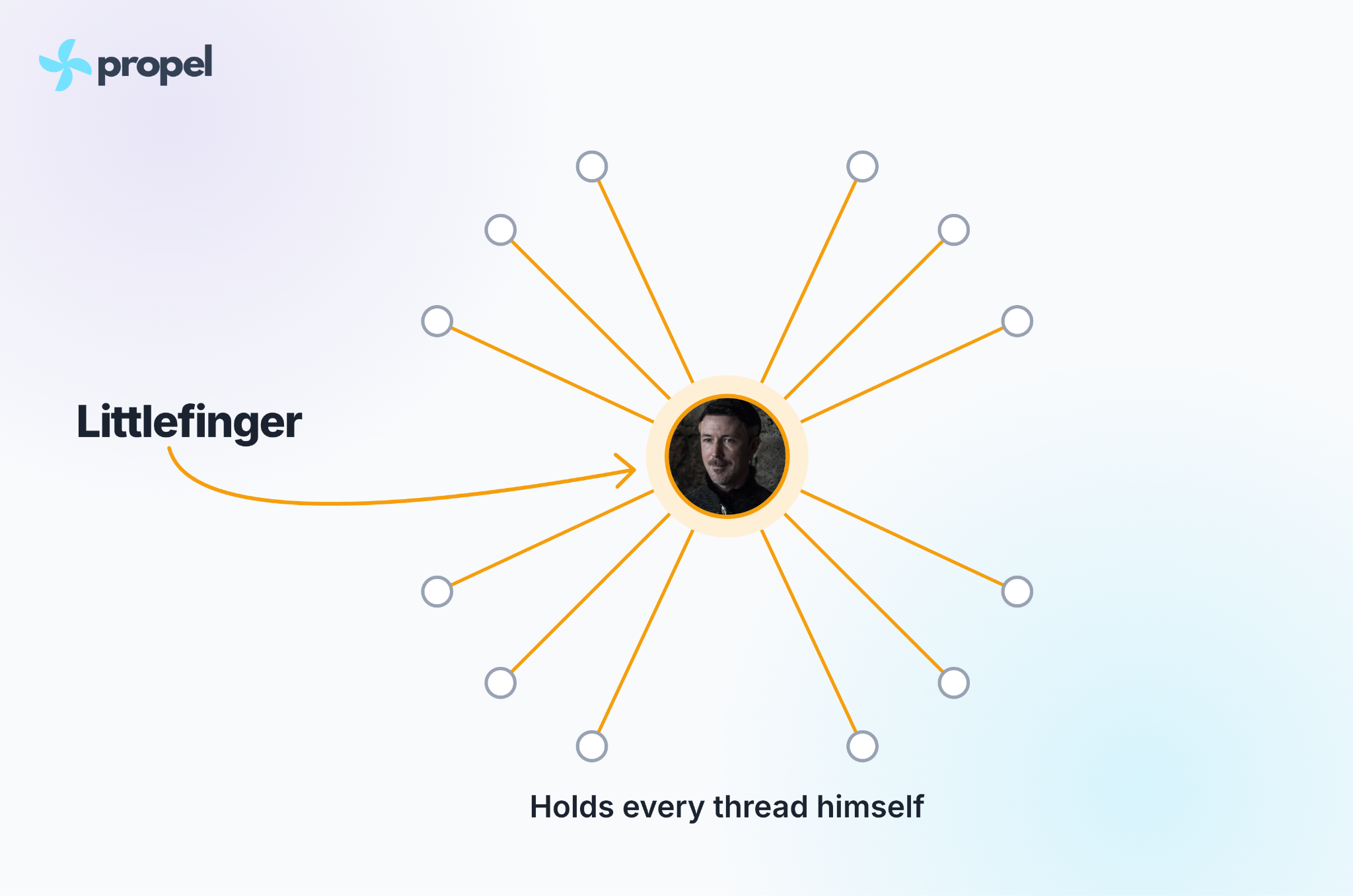
Littlefinger carries everything himself. It all lives in his head. He improvises, he reacts, he keeps every thread personally, and for a long stretch he is brilliant at it. But when the plot starts moving faster than he can track, it all collapses. He doesn’t see it coming until it’s too late.
On the other hand, Varys built a system. His little spies do the collecting. Information arrives at him. He does not go chasing it thread by thread. He is not smarter than Littlefinger. He is just better organised, and he outlasts Littlefinger for exactly that reason.
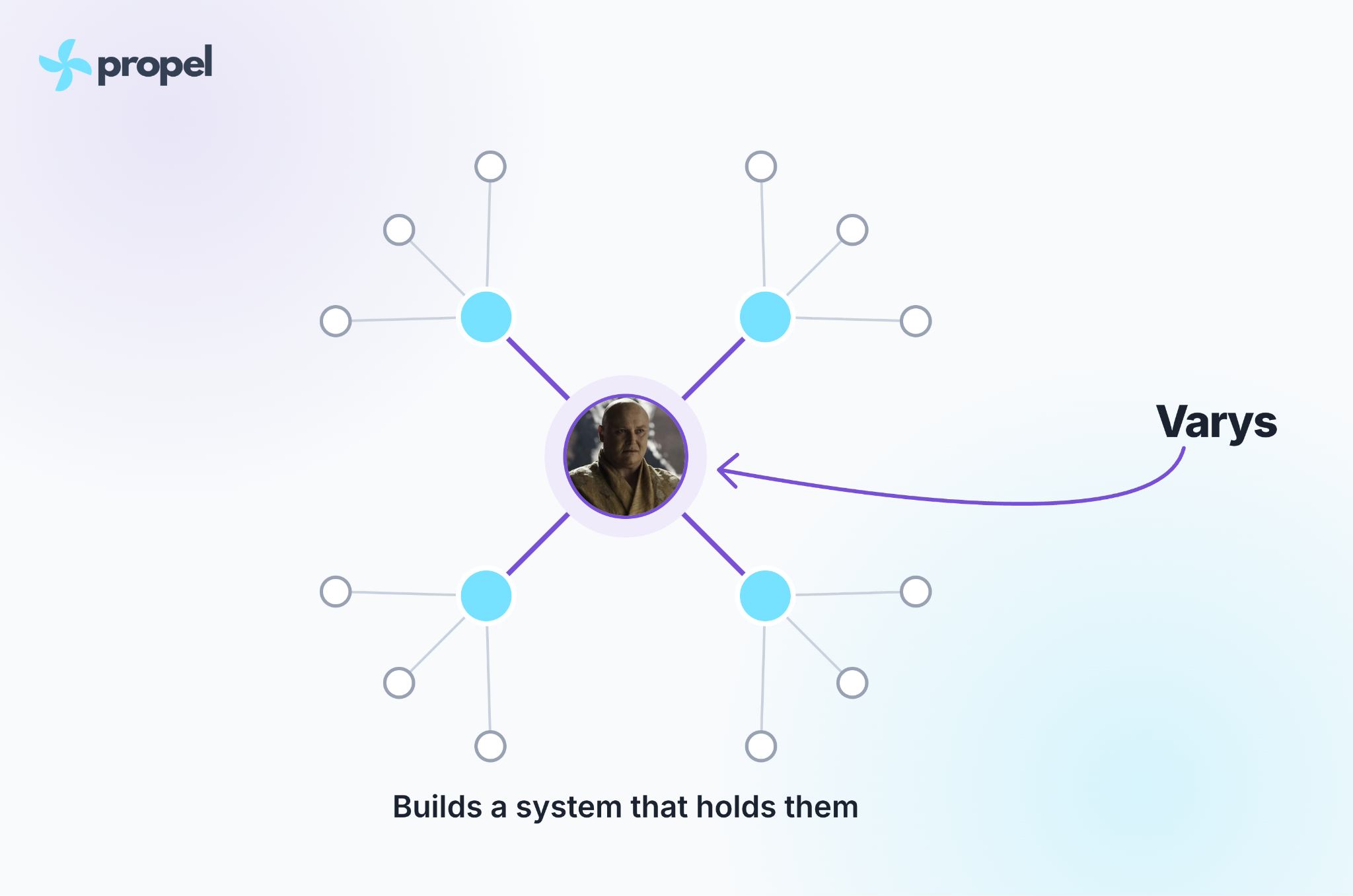
Most PR people I meet are multitasking like Littlefinger.
Fourteen tabs open, everything held in your head, running on memory and reflexes. It works, and honestly it feels good. You feel sharp. It holds up fine until one bad week.
I have worked both ways. The Littlefinger method works until it doesn’t. I stopped trying to be clever and built something more boring instead.
With that said, here are 3 simple habits to think like Varys and build a system that makes multitasking easier:
Habit #1: Work In Blocks
Stop treating your day as one long stream of interruptions.
Group similar work into a protected block - “write pitches,” “send follow-ups,” “build reports,” or “clean up the media list” - and stay in that headspace until it’s done.
The point is simple: when you are in a block, you have decided what deserves your attention right now.
The fix is boring, but it works: group your entire day’s work by block. Inside each block, you are in one headspace, and you stay there until the block is done.
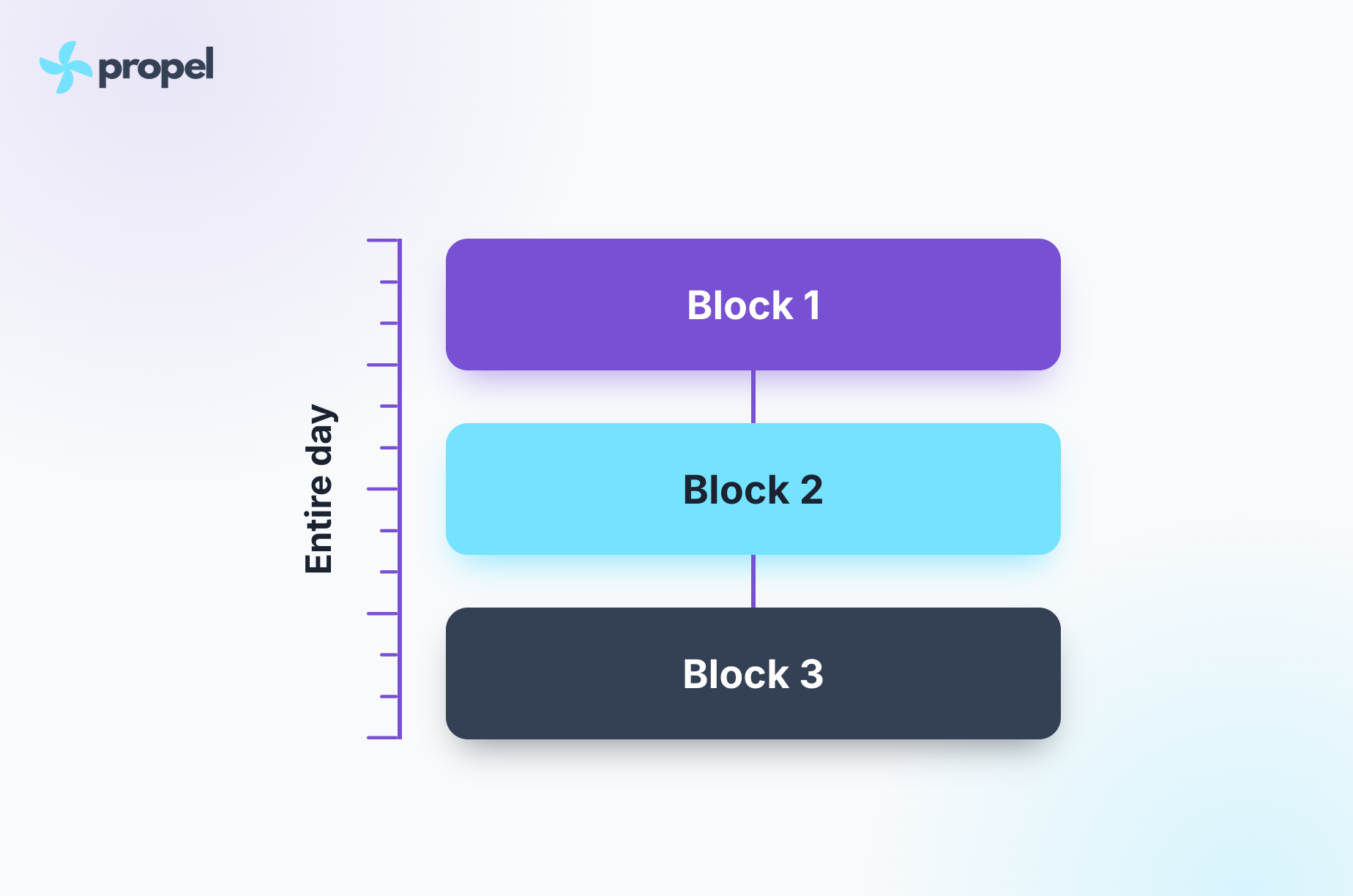
The honest tradeoff is that some things will have to wait. That is a real cost, and I will not pretend otherwise. But I accept it because the alternative is worse: everything ends up slightly late anyway, and all of it gets done a little worse.
Habit #2: Park The Rest
The hard part isn’t starting a block. It’s what happens when a journalist replies, a client pings you, or you remember something urgent mid-task.
Don’t chase it. Park it. Write the task and its next action in Notion, Google Docs, or even your phone’s Notes app. It takes thirty seconds, but it stops your brain from holding every open thread at once.
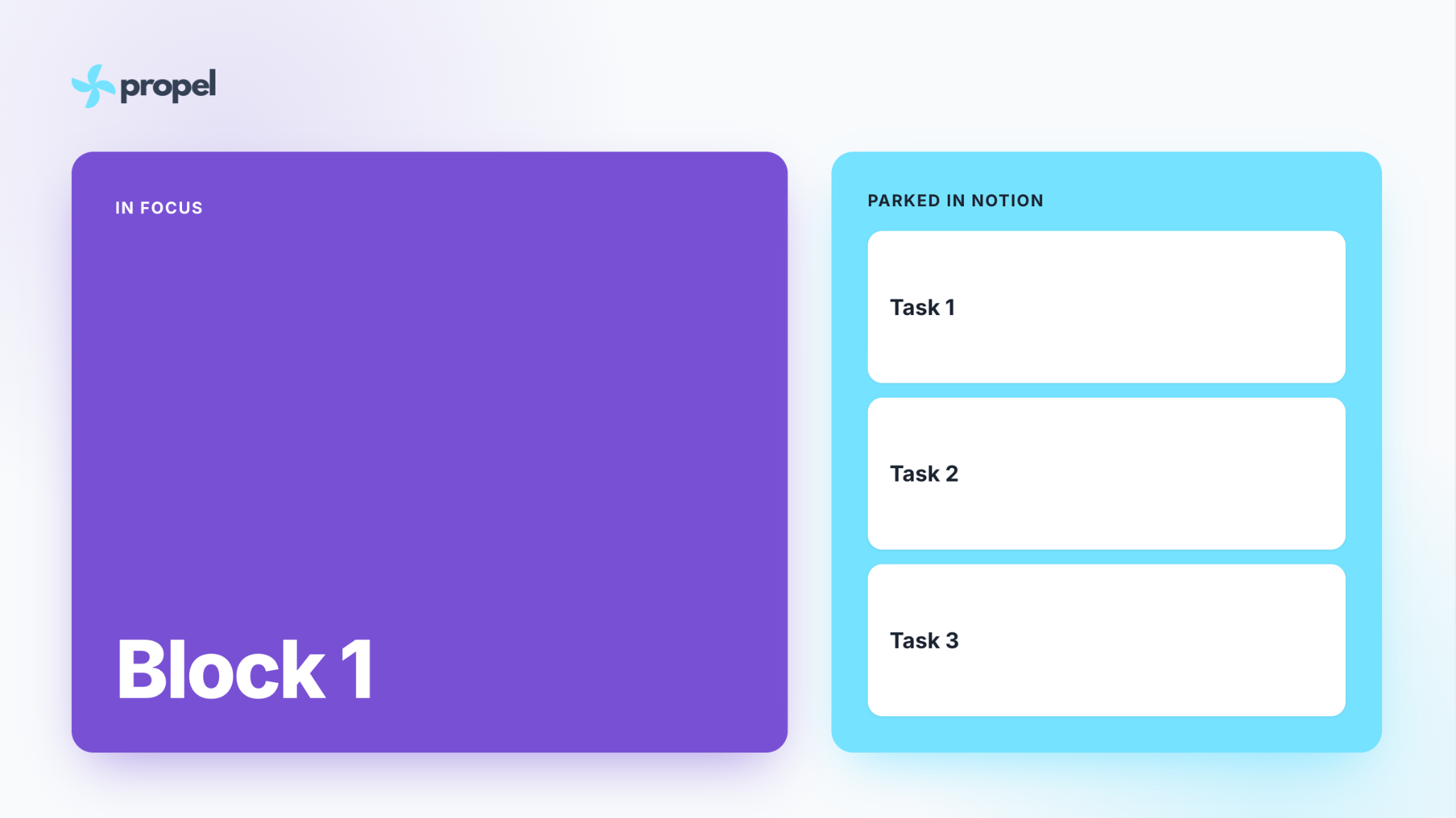
This is the Varys move: you don’t need to carry every plot in your head. You need a system that holds it for you.
Habit #3: Reset Before The Next Block
Here is the part nobody tells you: the switch itself is a skill, and most of us do it badly because we do it reactively. A notification arrives, and three seconds later you are in a different task with no memory of deciding to be there. That is not switching. That is being pulled.
A ritual fixes this, and it can be almost embarrassingly small. It does not need to take more than a minute. Write the next action on whatever you’re leaving behind, then close every tab related to it. It sounds small, but it helps: your screen should show the task you’re starting, not the one you just finished.
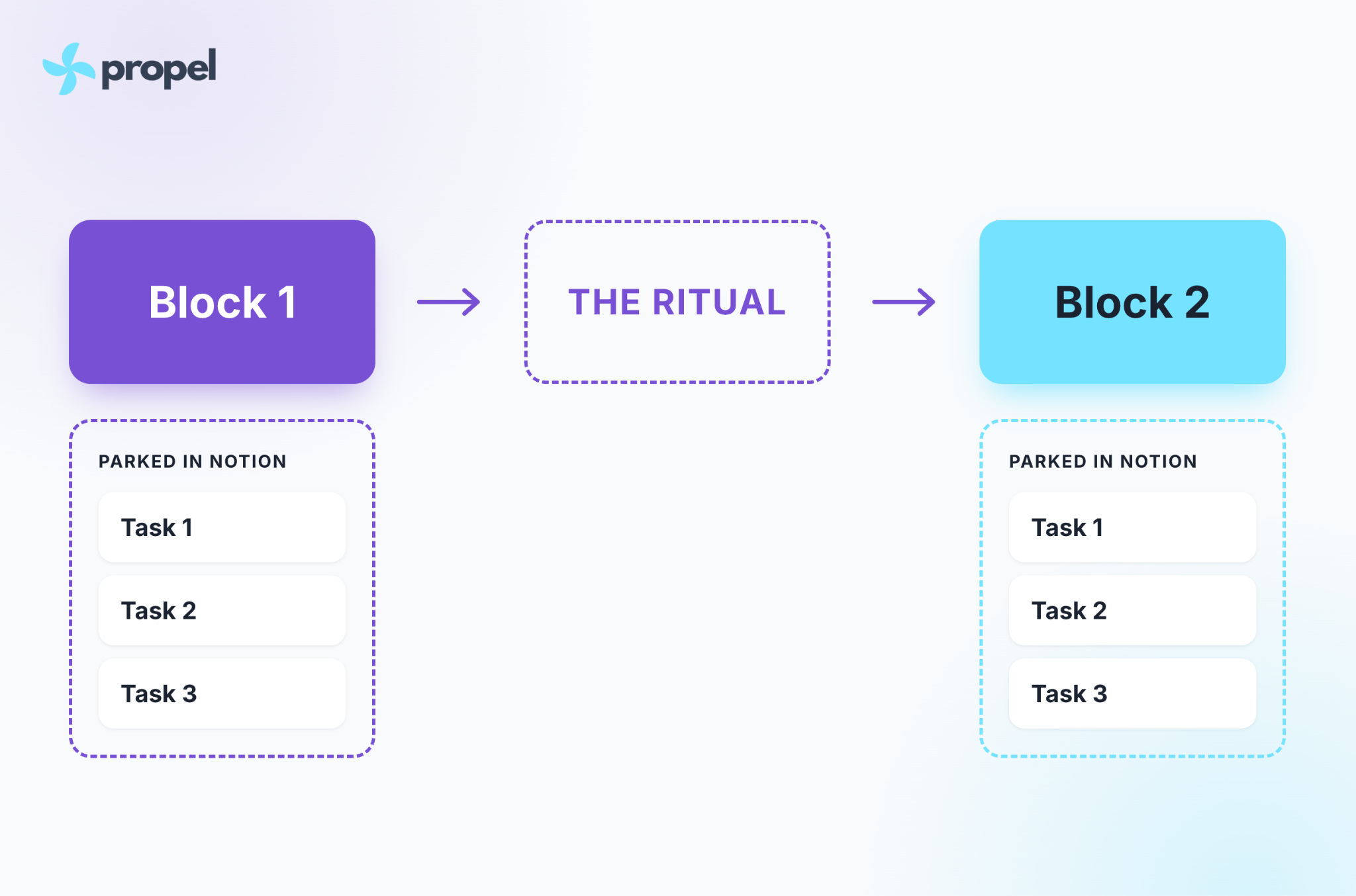
Stand up, stretch, get some water. Then, before you open anything, tell yourself what the next block is actually for.
Conclusion
So, that’s what multitasking means to me: not doing everything at once, but building a habit system that helps me focus on one thing, finish it, and move to the next without losing track.
If you work in PR or communications, try these 3 habits:
- Work in blocks. Group similar work into a protected slot - pitches, follow-ups, reports, or media-list updates - and stay in that headspace until it’s done.
- Park the rest. When something else comes up, write it down and return to the block in front of you. Let your system hold the tasks so your head can focus on the work.
- Reset before the next block. Before switching, note the next action, close the tabs from the task you’re leaving, and start the next block with intention.
It’s not a flashy system. That’s the point. You don’t need to be Littlefinger, keeping every thread alive in your head. Be Varys: build a system that keeps the threads where you can find them, even when you’re tired and the day gets messy.
Try it for the next 30 days. Work in blocks, park everything else, and reset before every switch. You’ll manage your workload more clearly, feel less pulled in every direction, and get more done without relying on willpower alone.